EMS #1 and Kill Devil Hills Fire Station #14
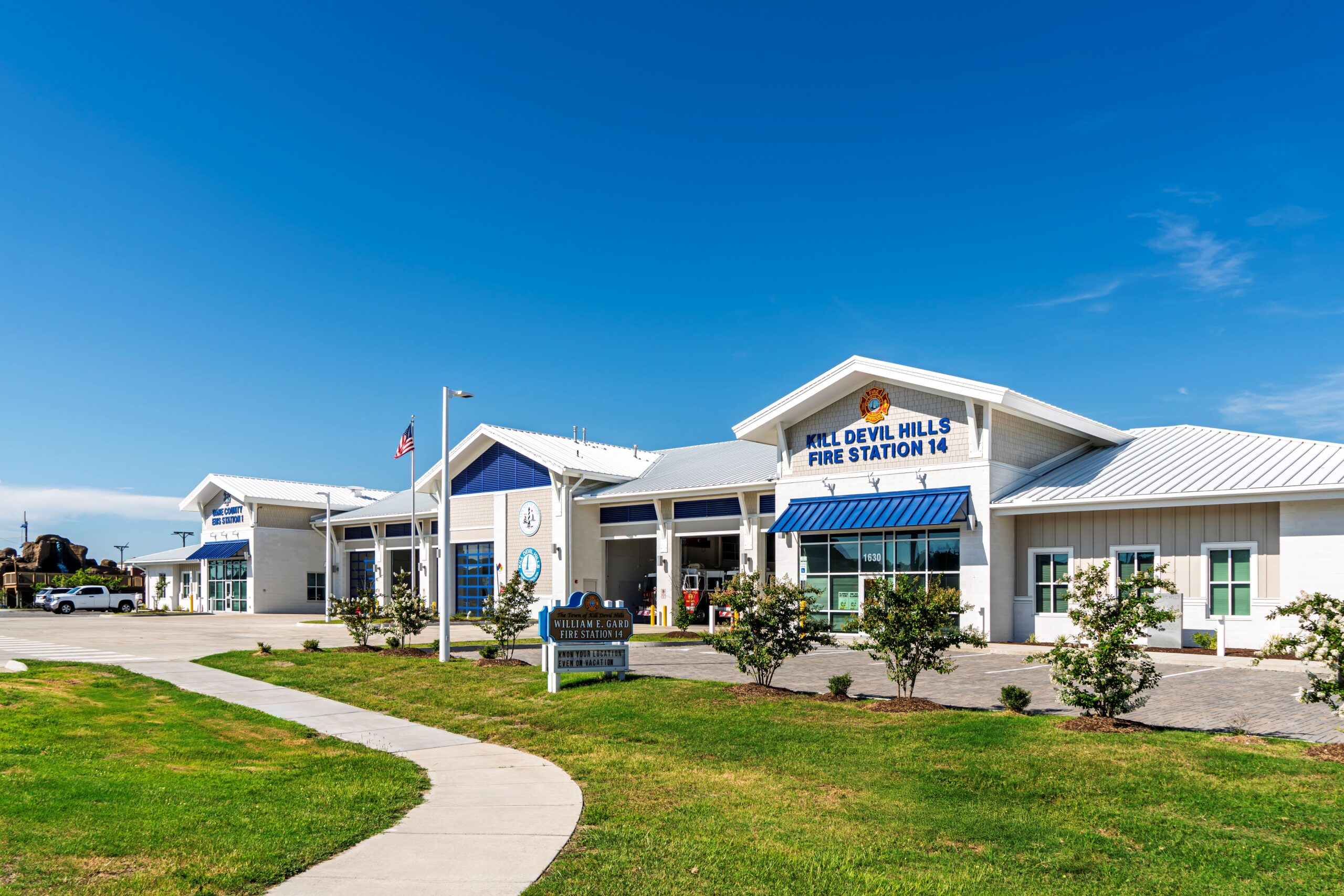
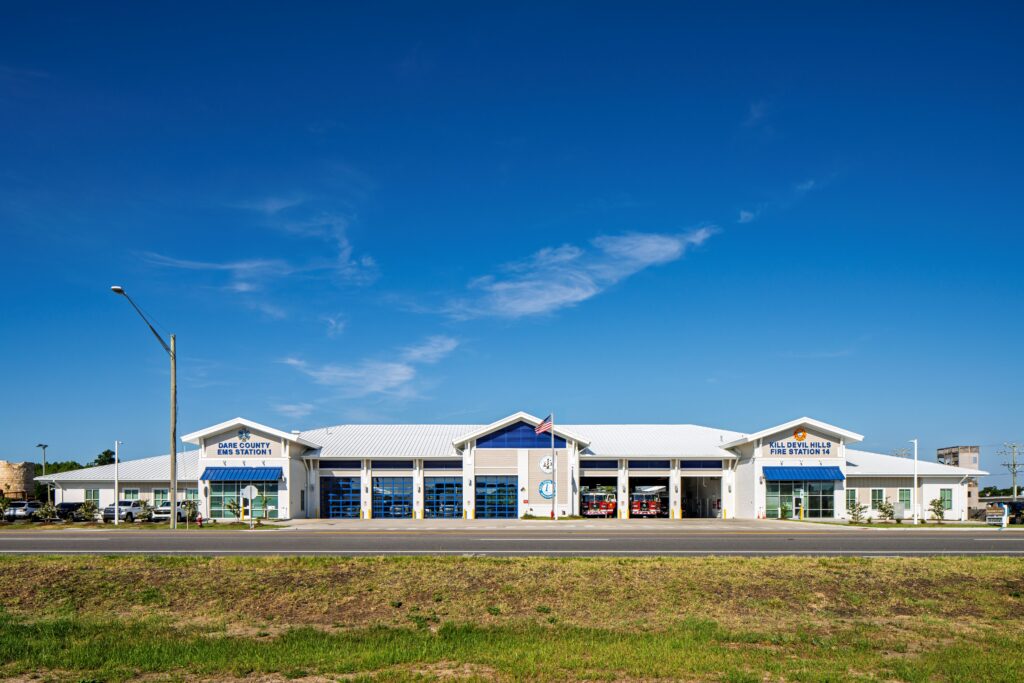
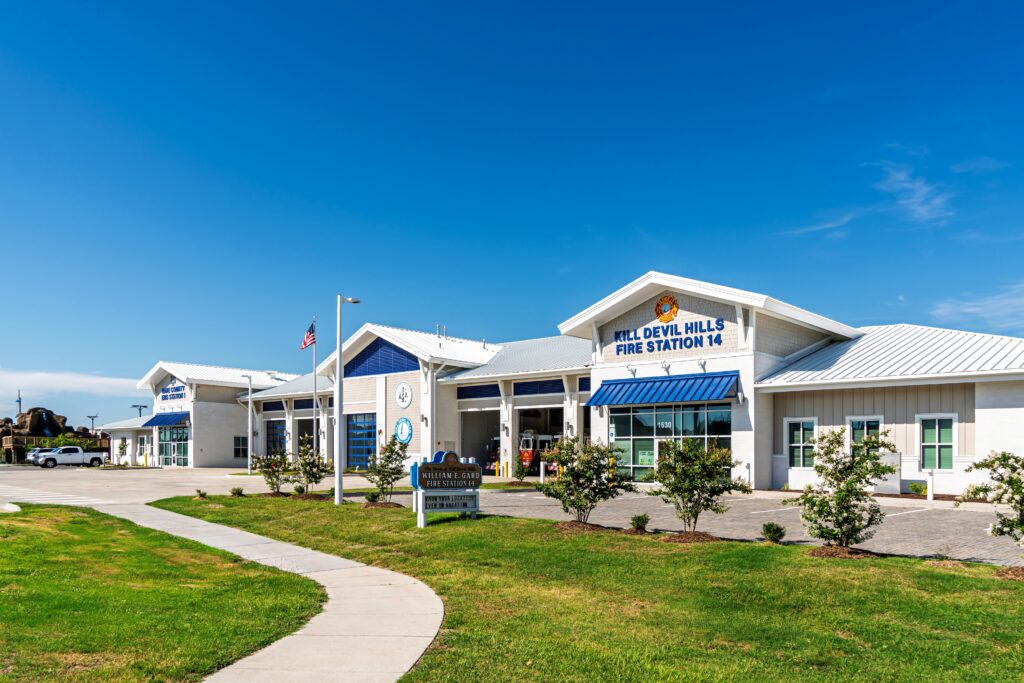
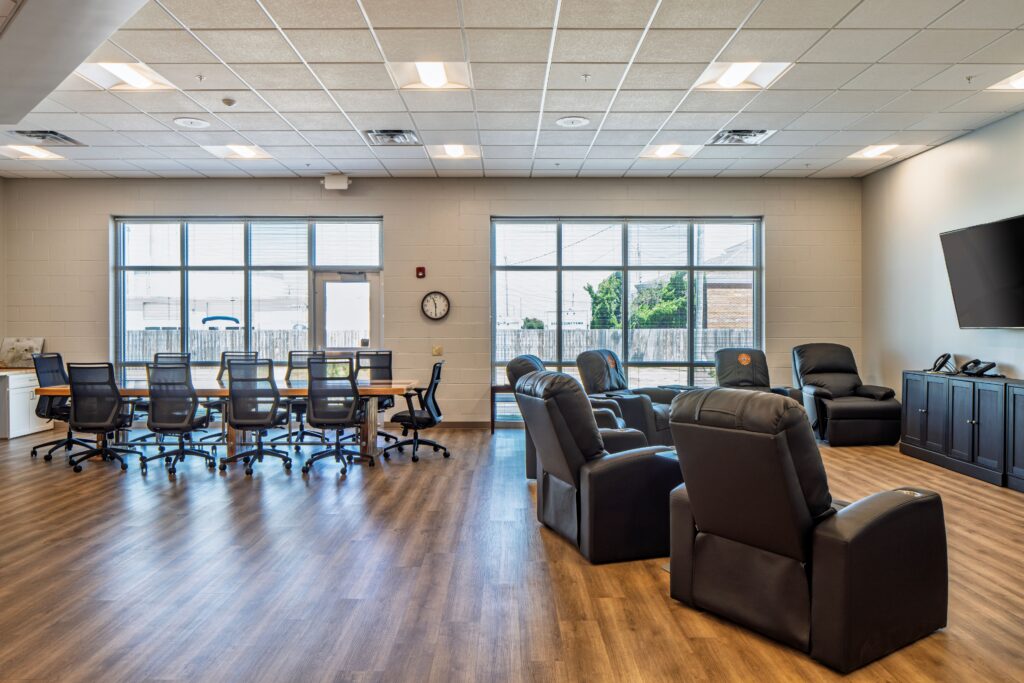
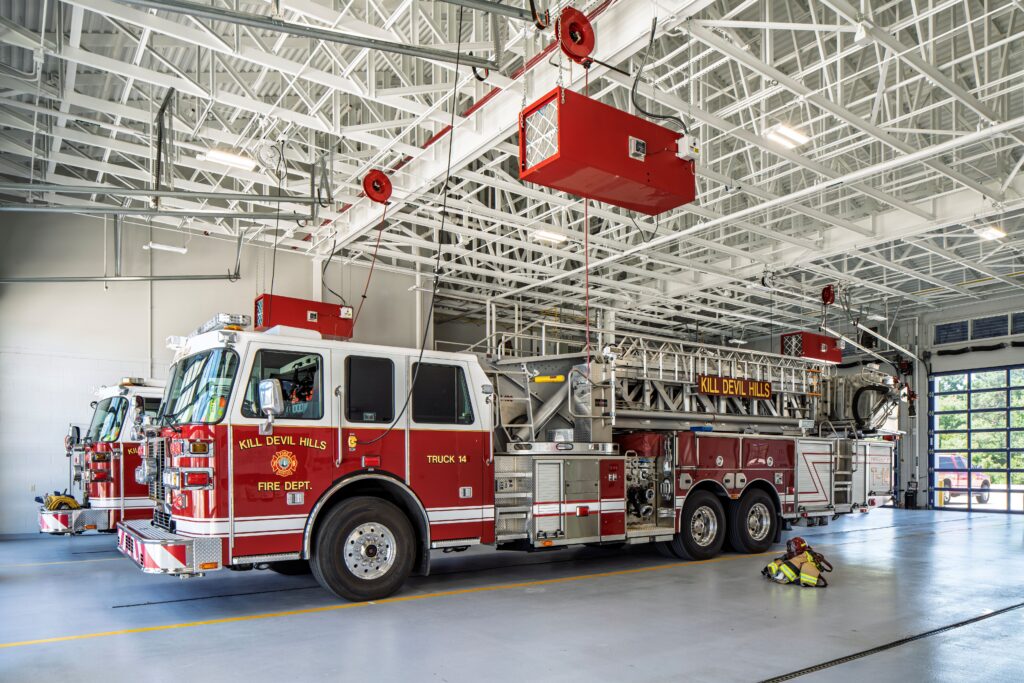
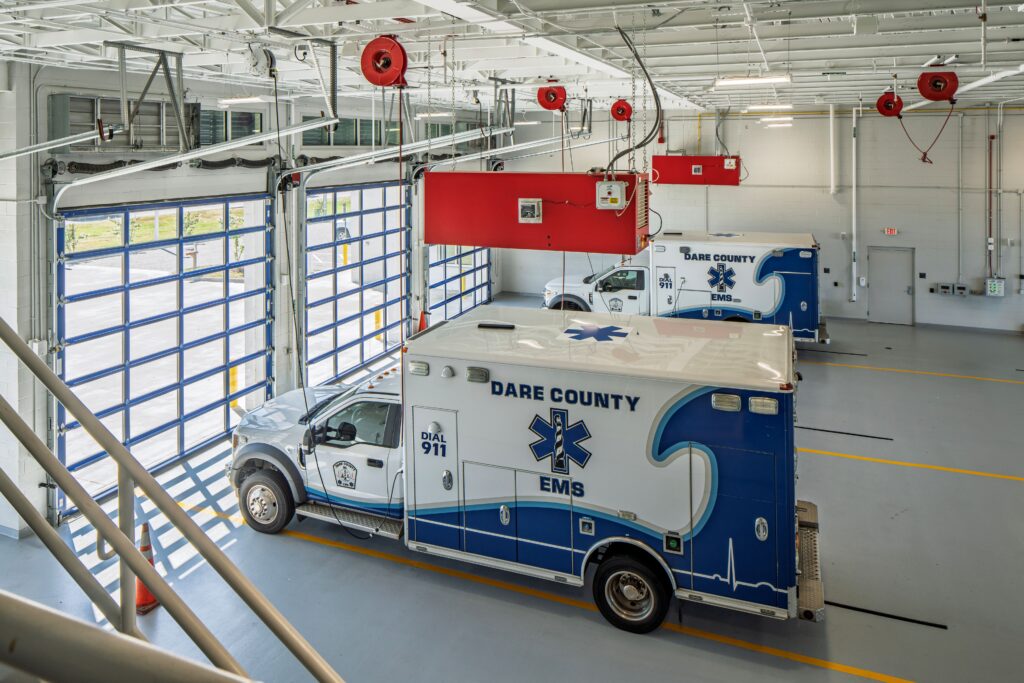
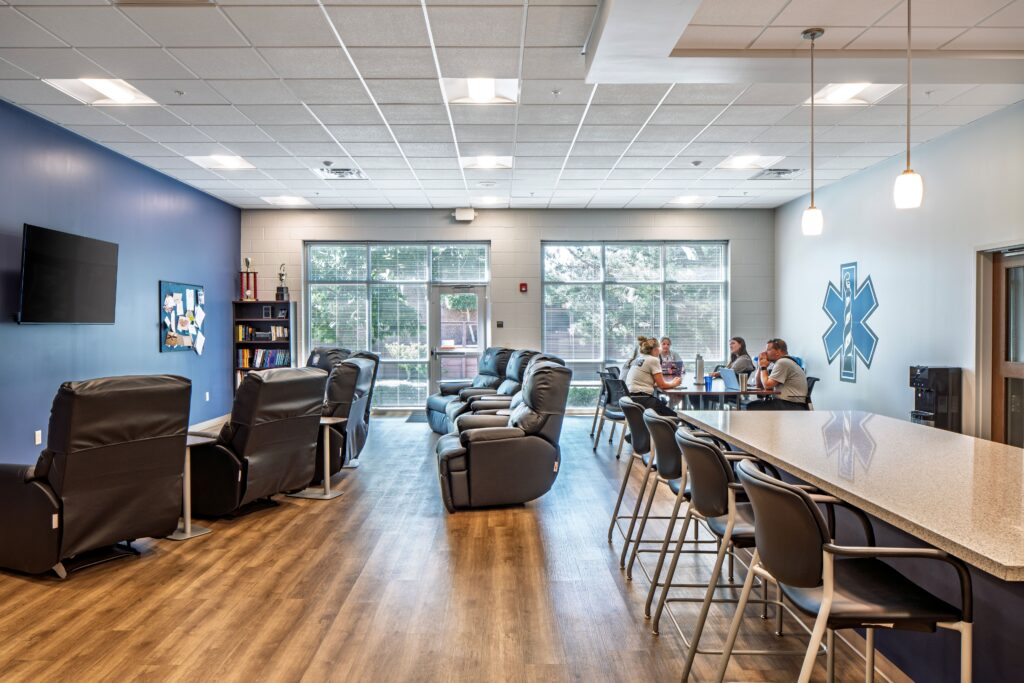
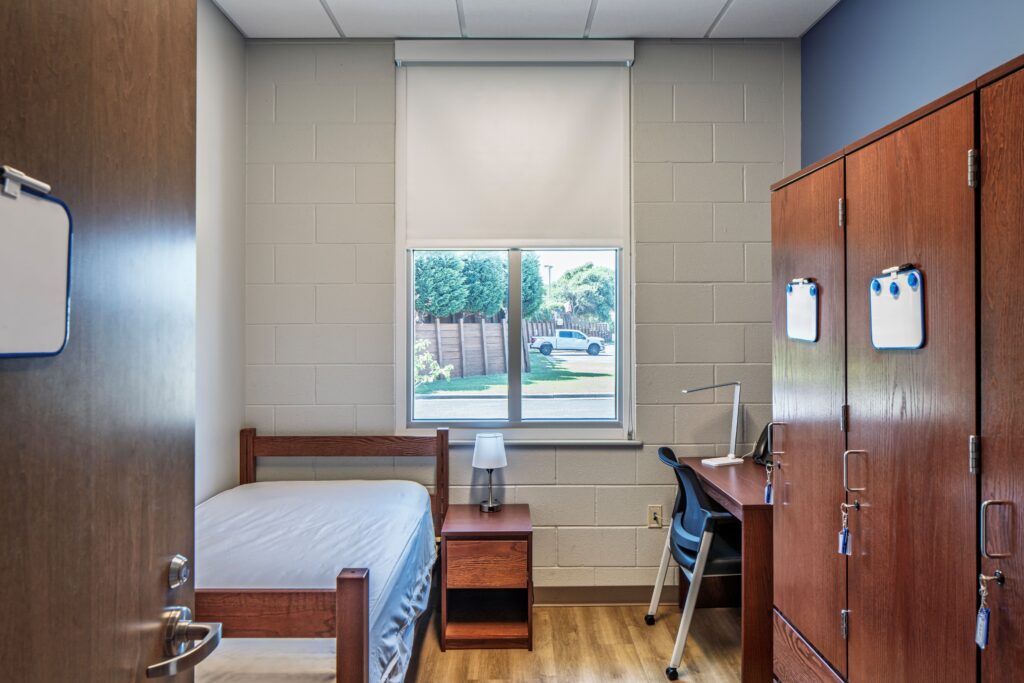
The new Dare County EMS Station 1 and Kill Devil Hills Fire Station 14 is a modern, co‑located public safety complex designed to strengthen emergency response capabilities in the central Outer Banks. The 36,000‑square‑foot facility brings together Dare County’s busiest EMS district and the Kill Devil Hills Fire Department under one roof, improving coordination and reducing infrastructure redundancy. Located along North Croatan Highway, the complex replaces aging buildings with a structurally hardened, storm‑resilient design that protects personnel, vehicles, and equipment during severe weather. The station features expanded apparatus bays with adequate space for housing and inspecting ambulances and fire apparatus indoors, advanced exhaust‑removal systems that prevent carcinogenic diesel fumes from entering living areas, and updated life‑safety and rapid‑notification technologies that enhance crew safety and reduce overnight radio noise. As part of Dare County’s broader EMS modernization effort, the new Station 1/Station 14 complex provides improved working and living conditions for responders while ensuring faster, more reliable service for residents and visitors across the Outer Banks.
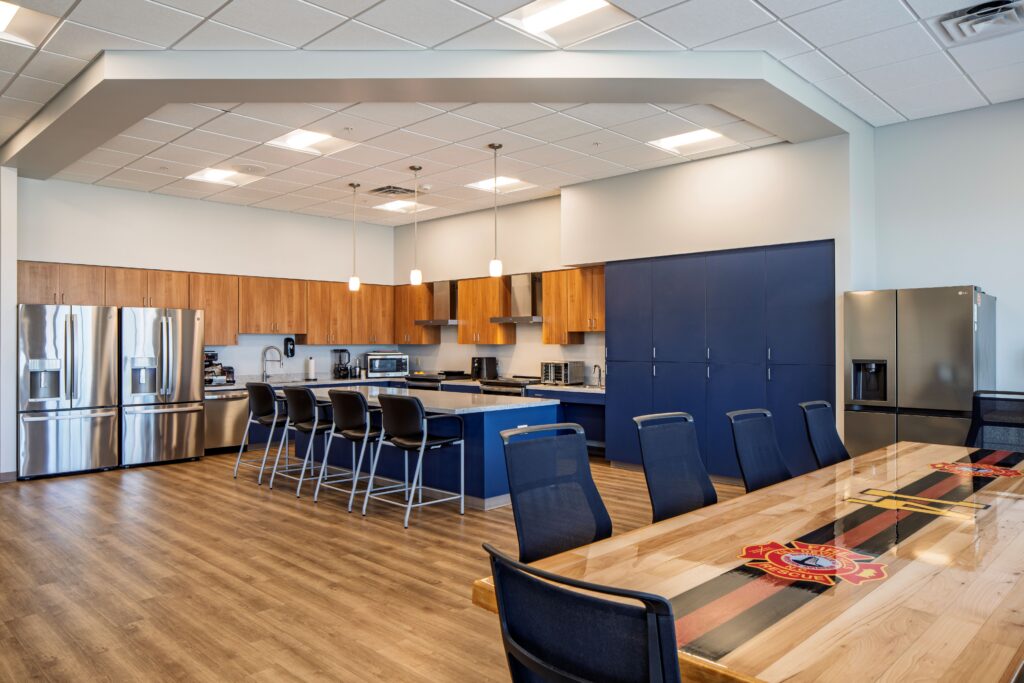
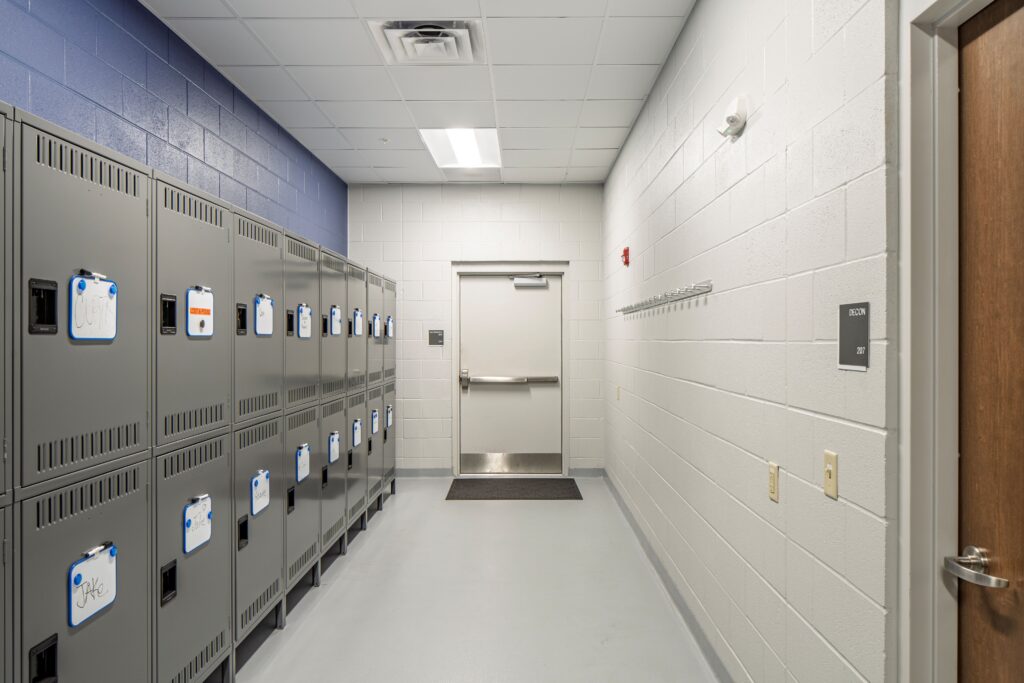
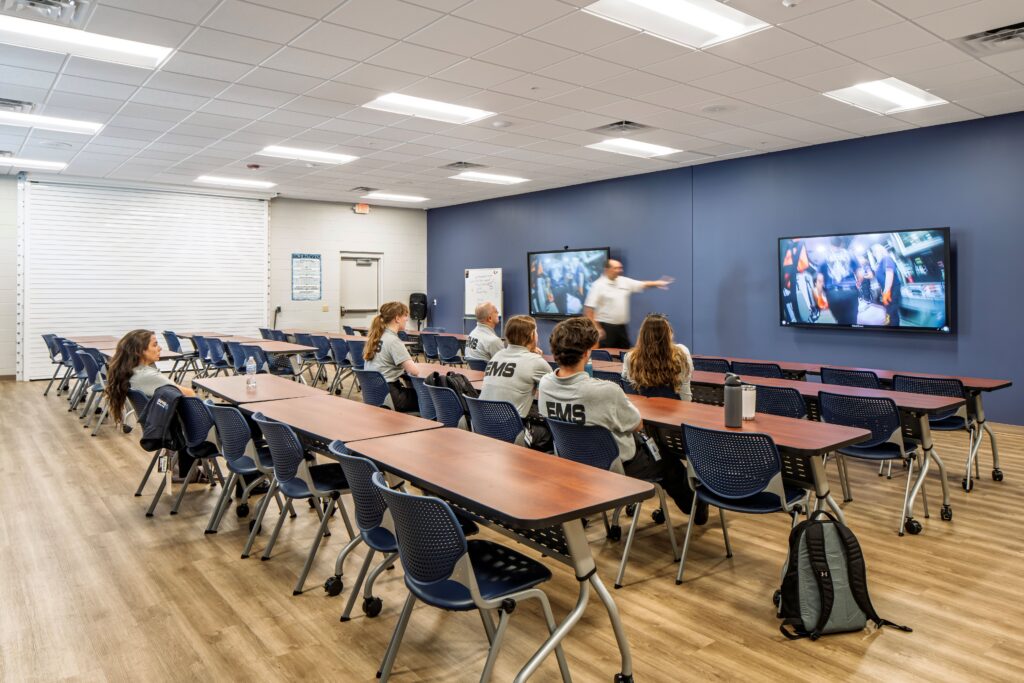
DETAILS: 36,000-SF combined EMS and fire station serving Dare County EMS Station 1 and Kill Devil Hills Fire Station 14. The facility includes apparatus bays, administrative offices, training areas, living quarters, emergency operations support spaces, and resilient building systems designed for the coastal environment.
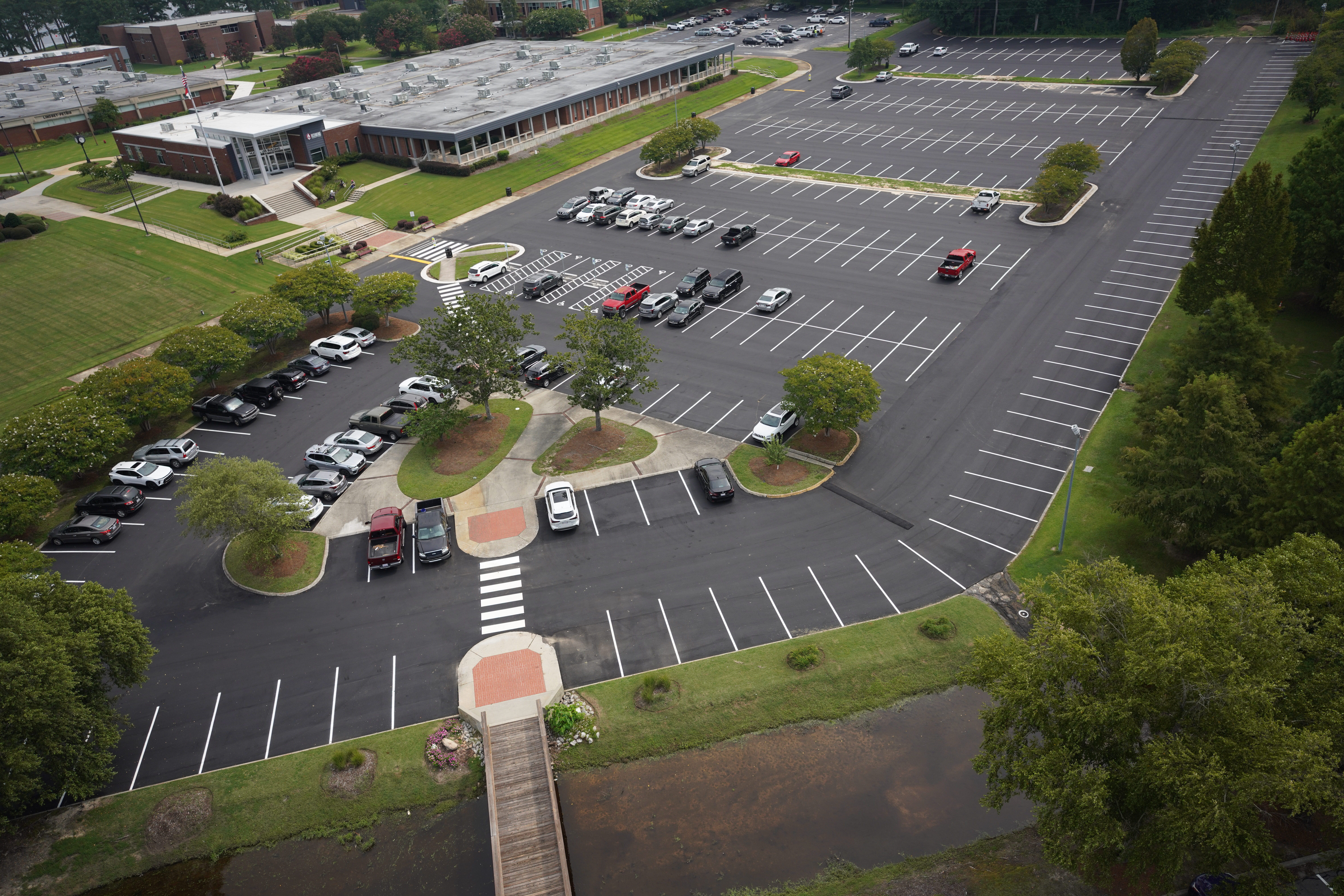
SCOPE OF WORK: Construction Manager at Risk (CMAR) delivery of a new public safety facility, including preconstruction services, site development, apparatus bays, administrative offices, crew living quarters, training facilities, utility infrastructure, parking, and complete building construction.
SOLUTION: Barnhill partnered with Dare County and Oakley Collier to deliver a durable, modern emergency services facility through the CMAR delivery method. Early collaboration during preconstruction helped control costs, maintain schedule, and provide a high-performance facility that supports faster emergency response, efficient operations, and long-term service to the Outer Banks.